Introducing Dreamy Bird: A Playful Font for Creative Publishing
As a designer with a keen eye for typography, I recently embarked on a project to revamp the header of a lifestyle blog. The goal was to infuse a fresh, cheerful vibe that would instantly engage readers. After sifting through countless display fonts, one typeface stood out: Dreamy Bird.
A Visual Delight with Character and Charm
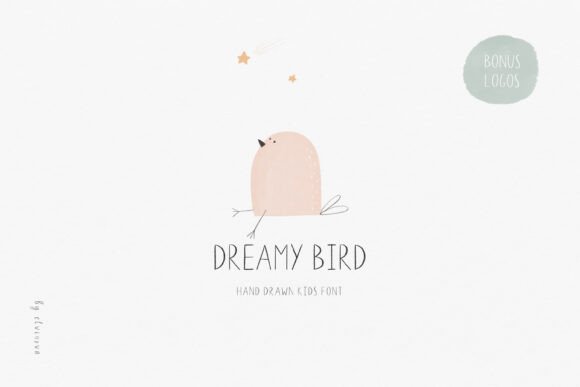
Dreamy Bird is a hand-drawn font that exudes a playful, bouncy energy. Its letters are full of life, with a whimsical, almost cartoon-like quality that adds a delightful touch to any design. The font's rhythm is smooth and flowing, making it perfect for titles and headers where you want to capture attention without overwhelming the reader.
When I first applied Dreamy Bird to the blog header, the transformation was immediate. The font's personality shone through, giving the blog a more approachable and friendly feel. It's the kind of typeface that invites readers in, making them curious to explore more.
Editorial Appeal and Versatility
Beyond just the blog header, Dreamy Bird proved to be a versatile asset in various editorial contexts. For instance, in a ebook about recipes, the font added a charming, homey touch to the chapter titles and section headings. In a wedding guide, it brought a light, joyful mood to the cover and pull quotes, enhancing the overall romantic and celebratory theme.
The font's readability is excellent for shorter text, such as headlines, pull quotes, and section openers. However, it may not be the best choice for longer paragraphs or small captions, where a more traditional serif font or sans serif font would be more appropriate. For these areas, I recommend pairing Dreamy Bird with a clean, legible sans serif font like Arial or a classic serif font like Times New Roman.
Supporting Visual Hierarchy and Publication Identity
One of the key strengths of Dreamy Bird is its ability to support visual hierarchy. In a digital magazine layout, for example, using Dreamy Bird for the main article titles and subheadings helps to create a clear, engaging structure. This not only guides the reader's eye but also reinforces the publication's identity. The font's unique character makes it memorable, which is crucial for building a strong brand presence.
For a coaching workbook or printable planner, Dreamy Bird can be used creatively in the cover design, section titles, and decorative accents. This adds a personal, handcrafted feel that resonates well with the target audience. The font's playful nature aligns perfectly with the creative and motivational content of such materials.
Practical Considerations and Font Pairing
Before incorporating Dreamy Bird into your projects, it's essential to check the included styles, alternates, and ligatures. This premium font offers a range of options to customize and enhance your designs. Additionally, ensure that the font supports the languages you need, especially if you're creating content for an international audience.
When it comes to font pairing, Dreamy Bird works beautifully with a variety of sans serif fonts. For example, pairing it with a clean, modern sans serif font like Helvetica or Lato can create a balanced and professional look. This combination is ideal for web design, social media graphics, and creative assets where both creativity and readability are paramount.
Lastly, always verify the commercial font licensing before using Dreamy Bird in ebooks, templates, printables, or other digital downloads. Ensuring you have the right permissions will help you avoid any legal issues and allow you to use this wonderful typeface with confidence.
In conclusion, Dreamy Bird is a fantastic addition to any designer's toolkit. Its playful, charming character and versatility make it an excellent choice for a wide range of publishing and content creation projects. Whether you're designing a lifestyle blog, ebook, wedding guide, or newsletter graphic, Dreamy Bird is sure to add a touch of joy and creativity to your work.